Is it worth grading?
Pokémon cards ranked by estimated PSA grading return vs selling raw. Updated September 3, 2026.
For every card with a real PSA census, Riffle estimates the graded outcome from the card’s own PSA grade mix and the graded market, subtracts a ~$25/card bulk-rate fee, and compares it to selling raw. The edge shown is that difference: an estimate, not a promise.
| Card | Raw (est.) | Gem odds | Fee | Return vs raw (est.) | Verdict |
|---|
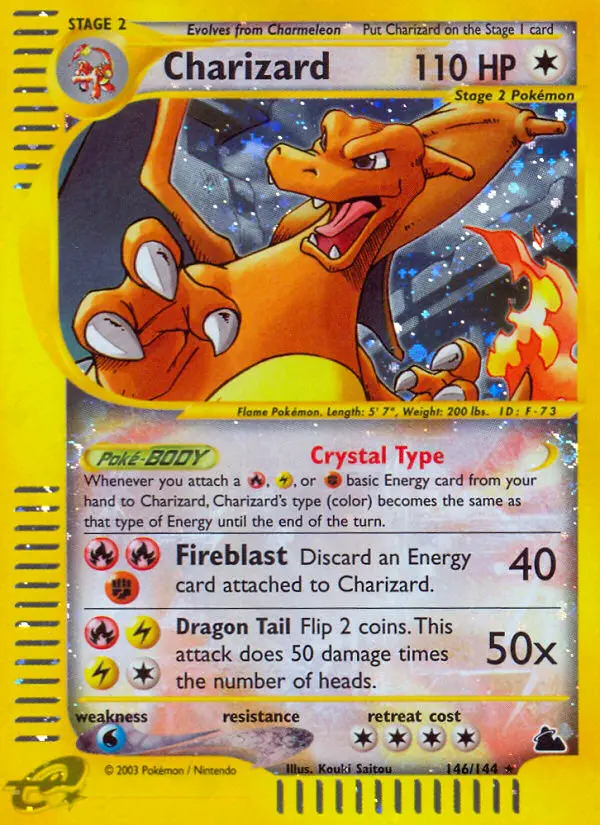 CharizardSkyridge · #146/144 CharizardSkyridge · #146/144 | $4,650–$5,950 | 15% | $25 | +$25751 | grade itⓘ |
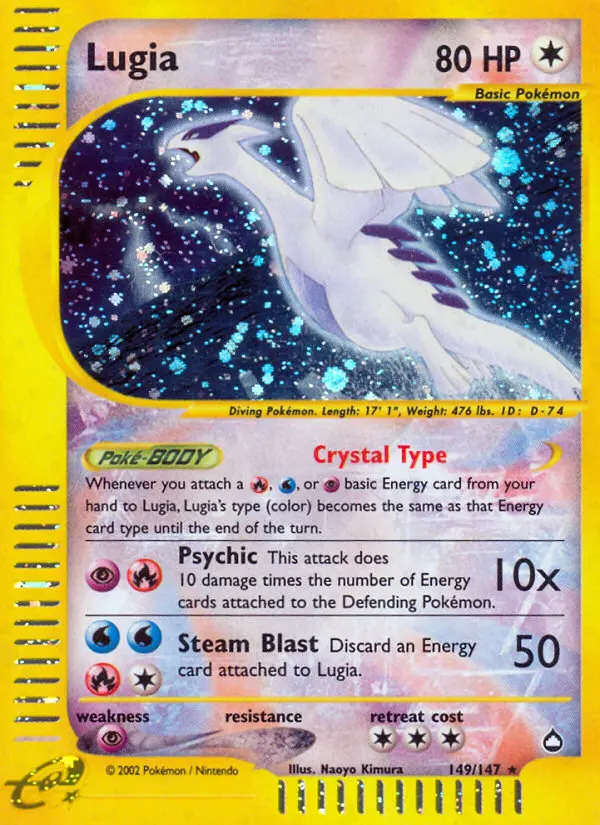 LugiaAquapolis · #149/147 LugiaAquapolis · #149/147 | $1,225–$1,575 | 4% | $25 | +$14231 | grade itⓘ |
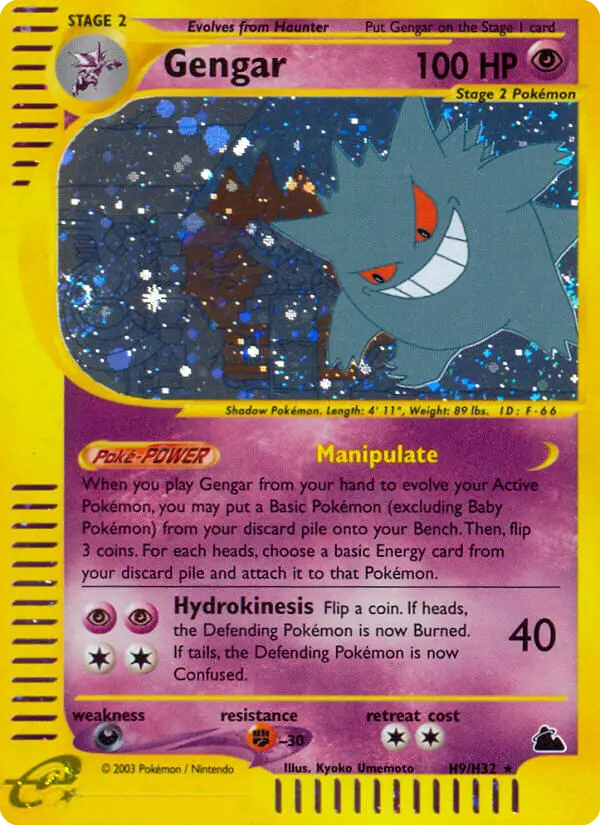 GengarSkyridge · #H09/144 GengarSkyridge · #H09/144 | $195–$260 | 6% | $25 | +$11534 | grade it |
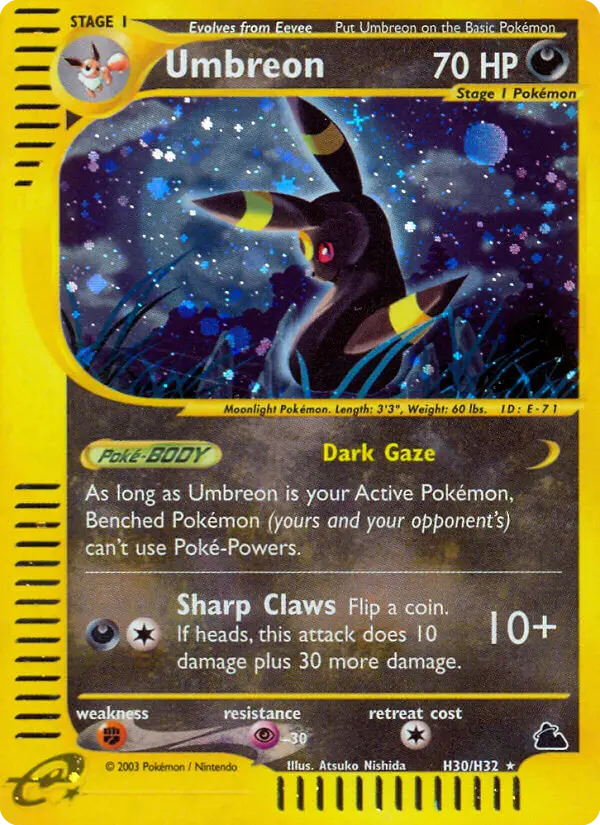 UmbreonSkyridge · #H30/144 UmbreonSkyridge · #H30/144 | $65–$90 | 8% | $25 | +$9145 | grade it |
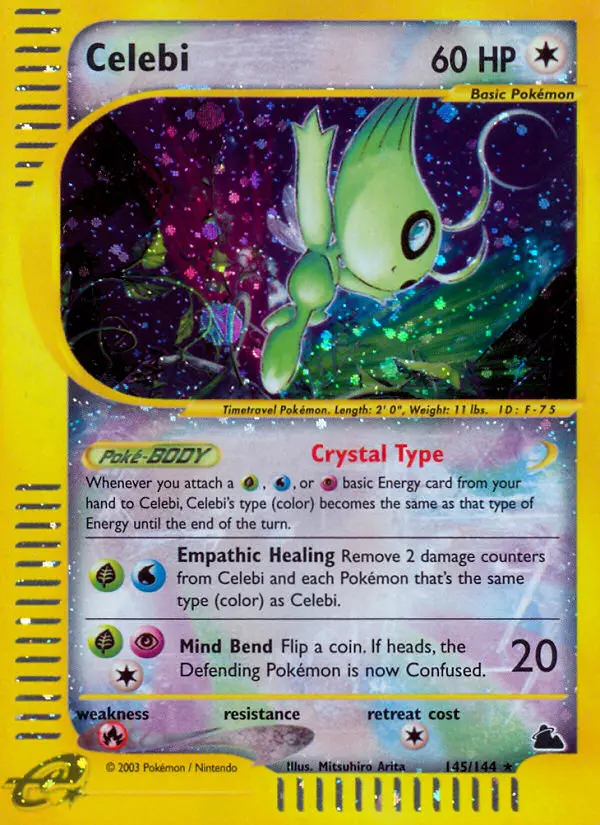 CelebiSkyridge · #145/144 CelebiSkyridge · #145/144 | $330–$430 | 19% | $25 | +$8307 | grade it |
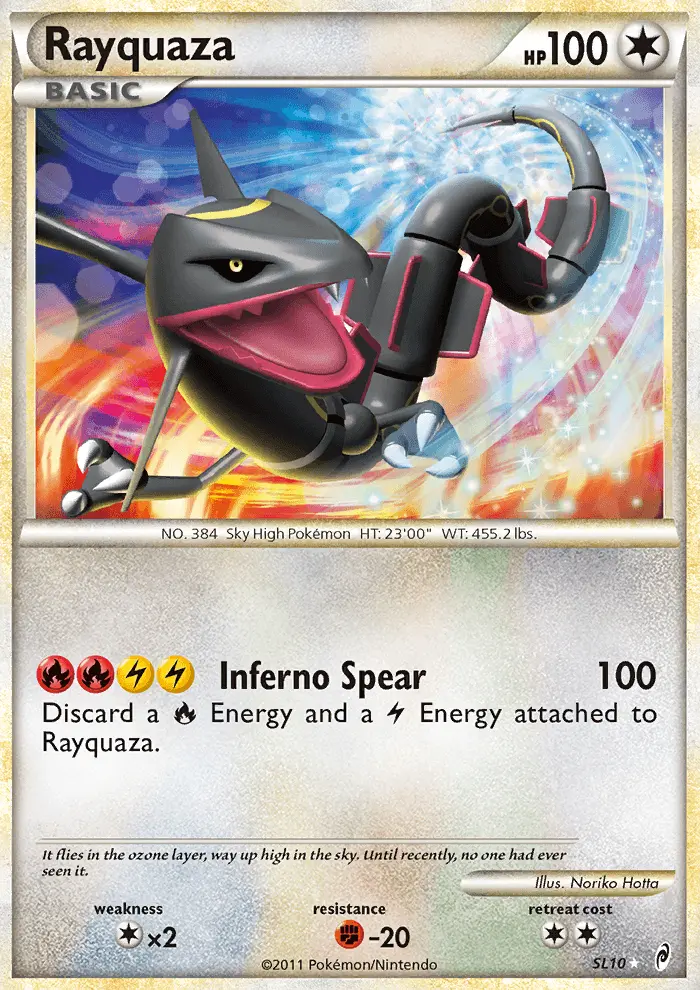 RayquazaCall of Legends · #SL10/95 RayquazaCall of Legends · #SL10/95 | $660–$850 | 2% | $25 | +$6084 | grade itⓘ |
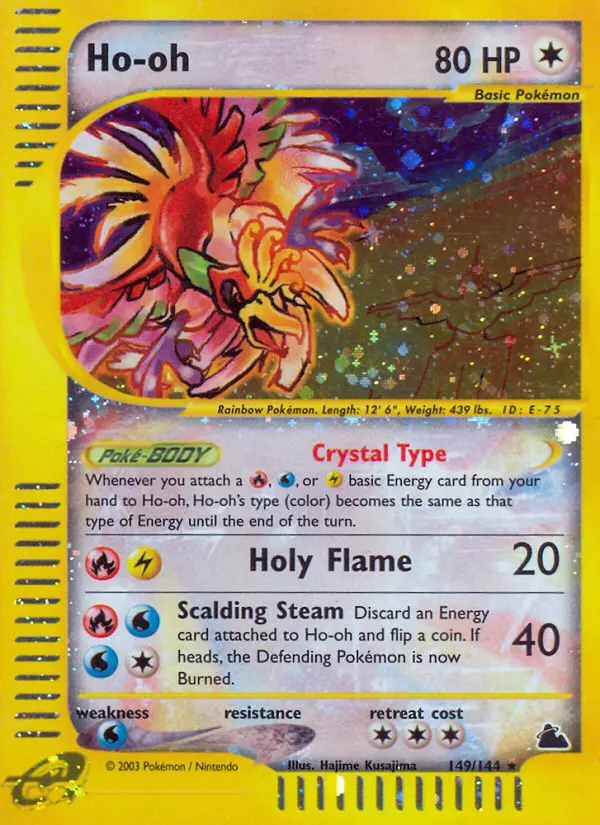 Ho-ohSkyridge · #149/144 Ho-ohSkyridge · #149/144 | $700–$900 | 8% | $25 | +$5921 | grade itⓘ |
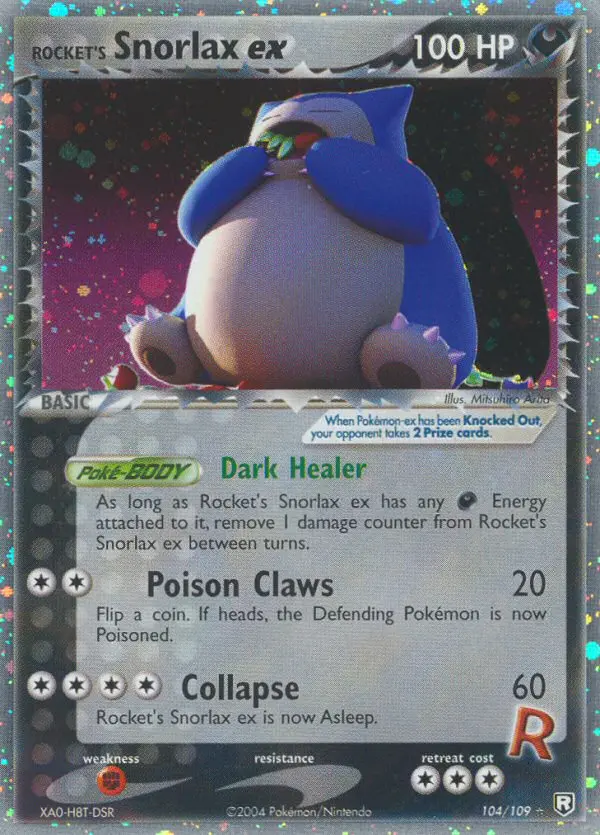 Rocket's Snorlax exTeam Rocket Returns · #104/109 Rocket's Snorlax exTeam Rocket Returns · #104/109 | $350–$450 | 7% | $25 | +$4906 | grade it |
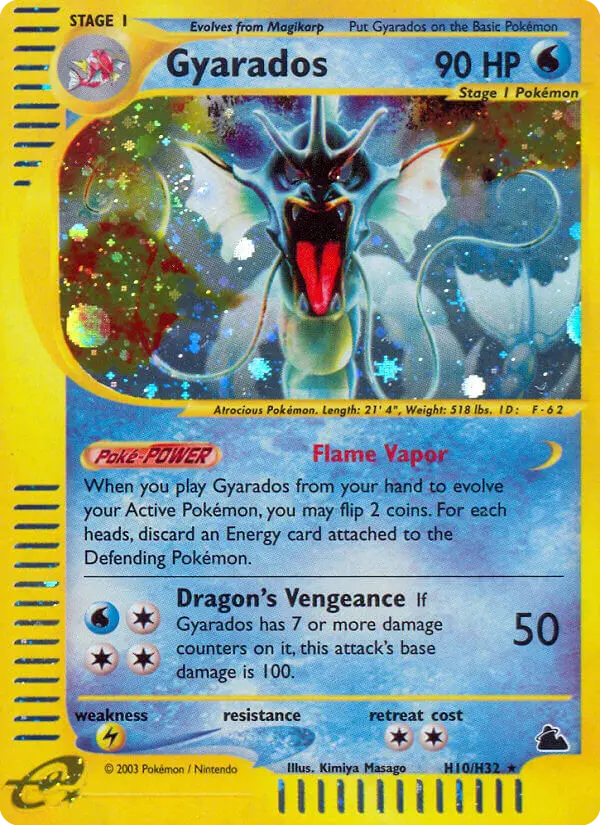 GyaradosSkyridge · #H10/144 GyaradosSkyridge · #H10/144 | $49–$65 | 11% | $25 | +$4554 | grade it |
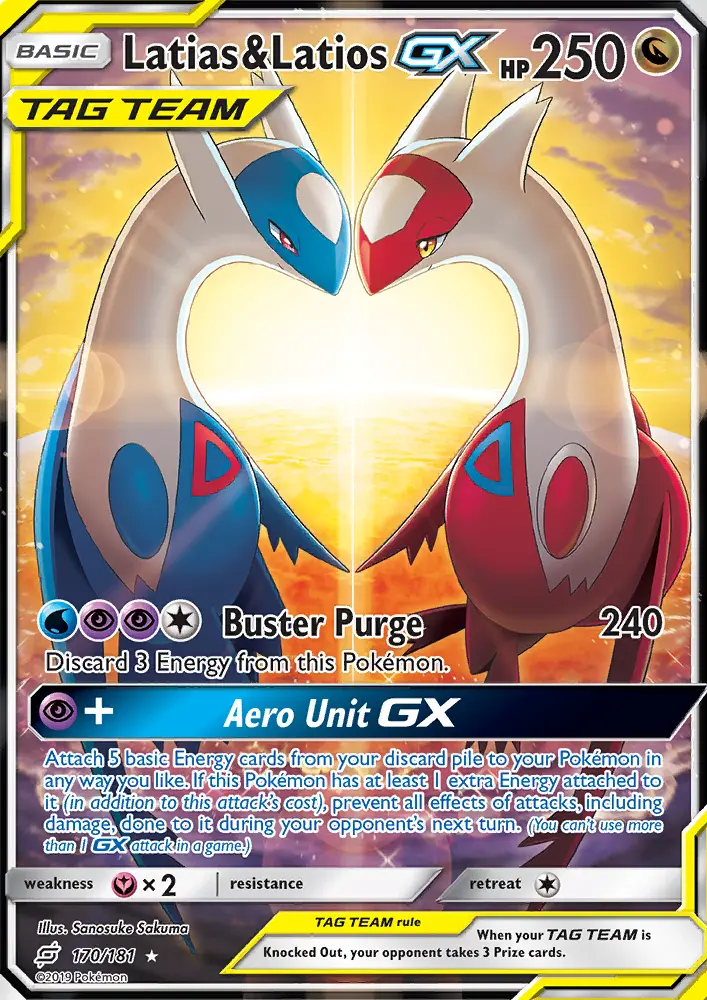 Latias & Latios GXTeam Up · #170/181 Latias & Latios GXTeam Up · #170/181 | $3,750–$4,800 | 40% | $25 | +$4540 | grade itⓘ |
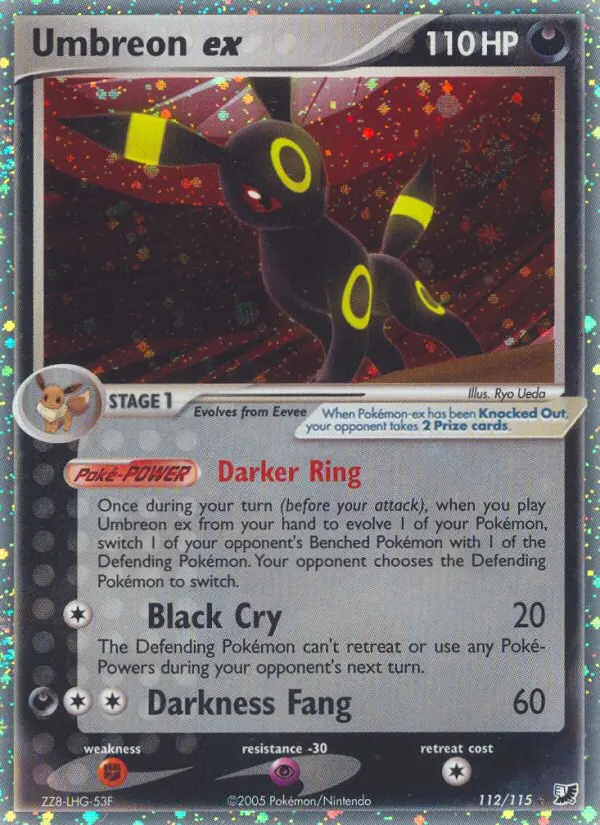 Umbreon exUnseen Forces · #112/115 Umbreon exUnseen Forces · #112/115 | $440–$570 | 3% | $25 | +$4107 | grade itⓘ |
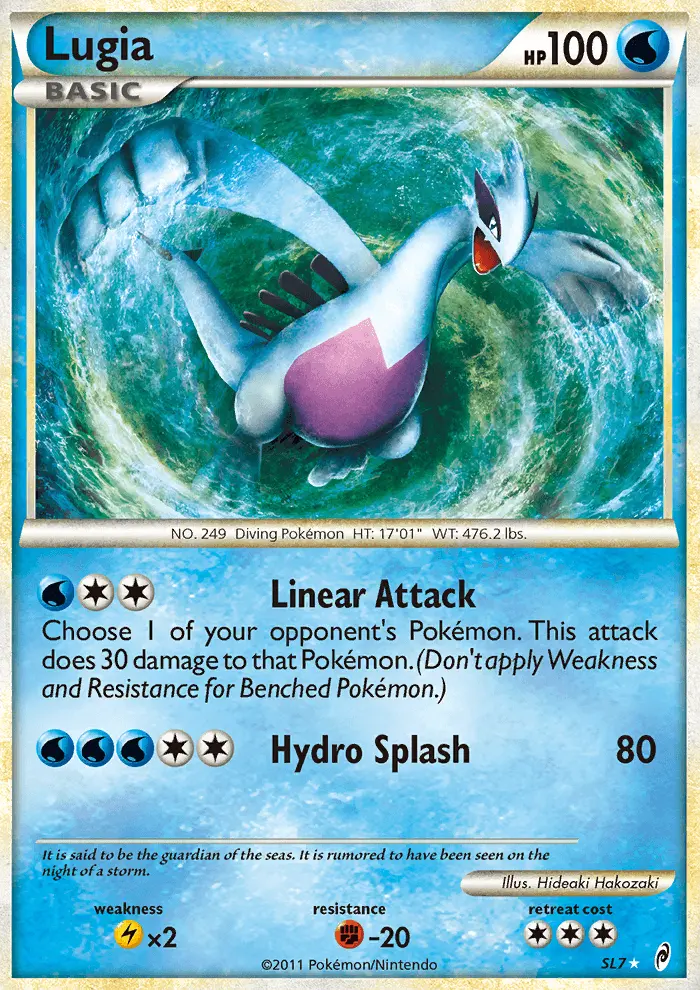 LugiaCall of Legends · #SL7/95 LugiaCall of Legends · #SL7/95 | $300–$390 | 1% | $25 | +$3864 | grade it |
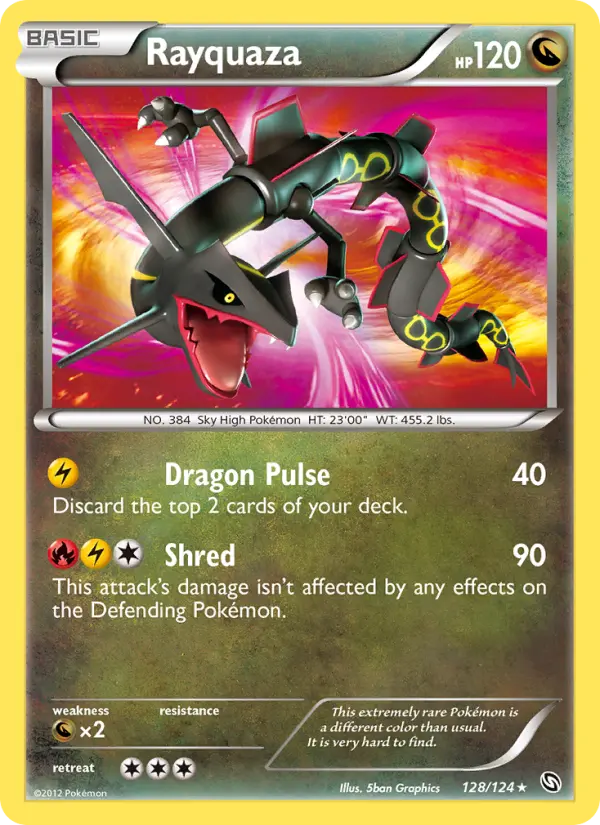 RayquazaDragons Exalted · #128/124 RayquazaDragons Exalted · #128/124 | $580–$740 | 3% | $25 | +$3711 | grade itⓘ |
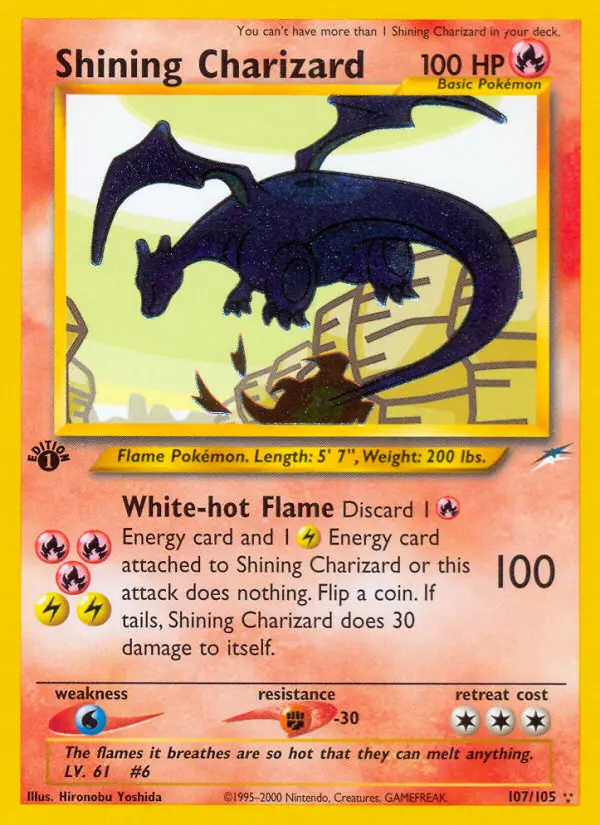 Shining CharizardNeo Destiny · #107/105 Shining CharizardNeo Destiny · #107/105 | $1,300–$1,675 | 5% | $25 | +$3550 | grade itⓘ |
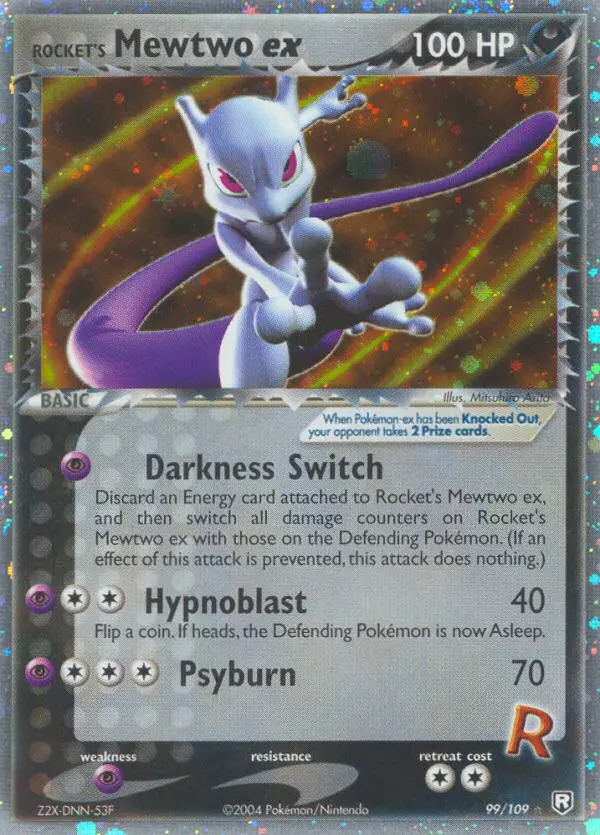 Rocket's Mewtwo exTeam Rocket Returns · #99/109 Rocket's Mewtwo exTeam Rocket Returns · #99/109 | $480–$620 | 6% | $25 | +$3536 | grade itⓘ |
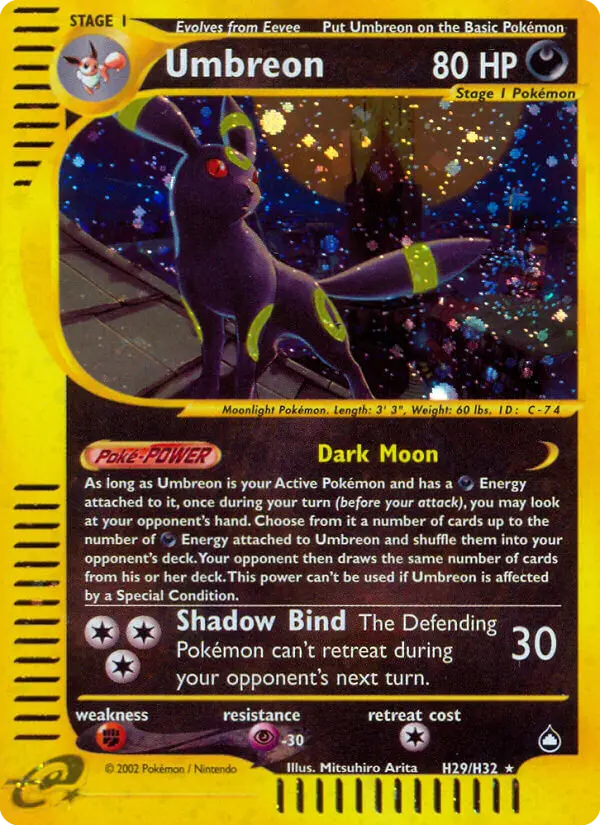 UmbreonAquapolis · #H29/147 UmbreonAquapolis · #H29/147 | $1,100–$1,425 | 5% | $25 | +$3076 | grade itⓘ |
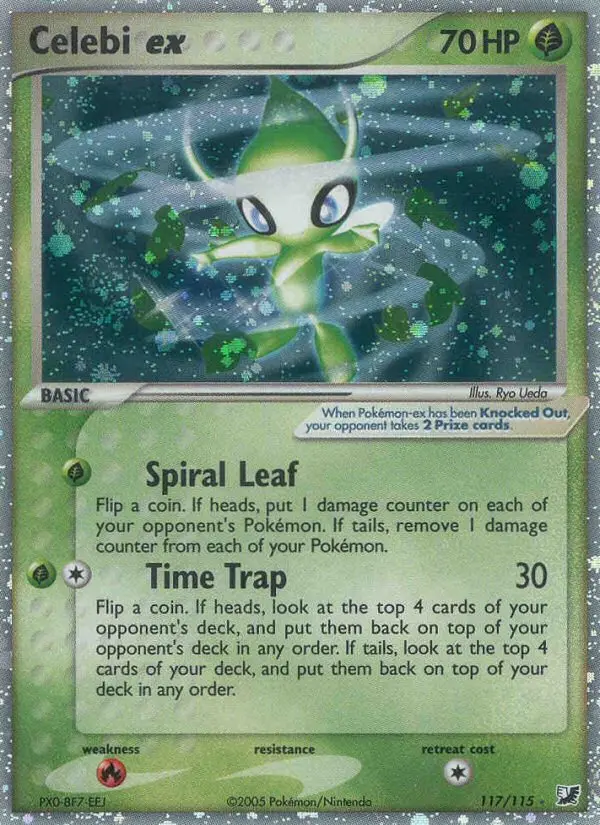 Celebi exUnseen Forces · #117/115 Celebi exUnseen Forces · #117/115 | $320–$420 | 4% | $25 | +$3013 | grade it |
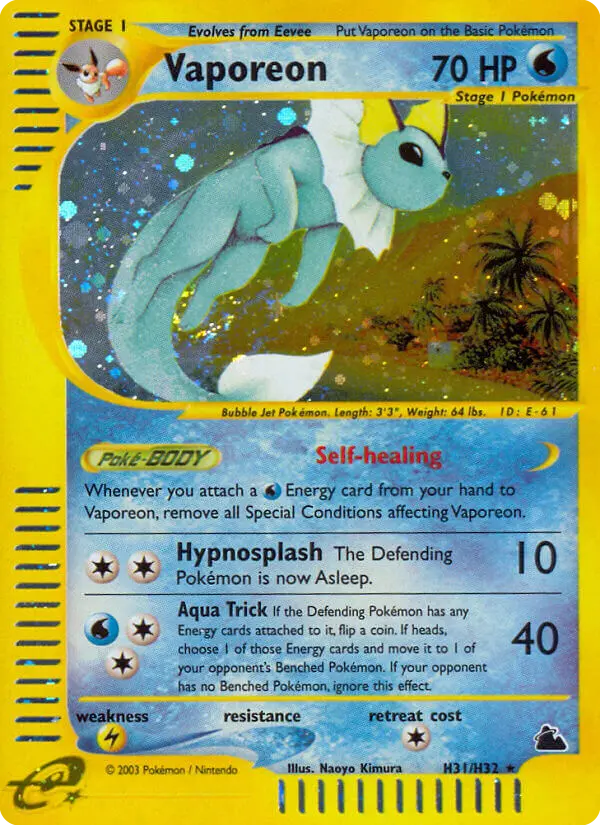 VaporeonSkyridge · #H31/144 VaporeonSkyridge · #H31/144 | $370–$480 | 11% | $25 | +$2980 | grade it |
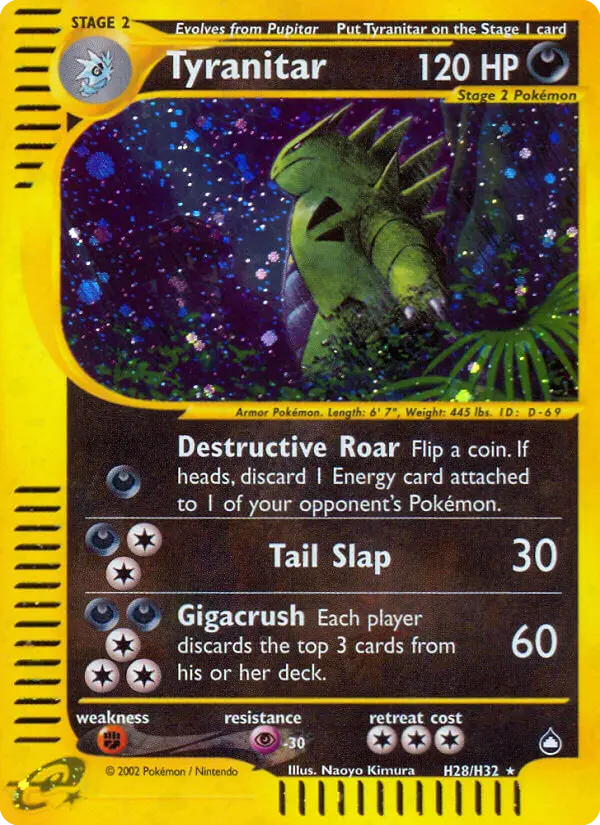 TyranitarAquapolis · #H28/147 TyranitarAquapolis · #H28/147 | $165–$220 | 8% | $25 | +$2951 | grade it |
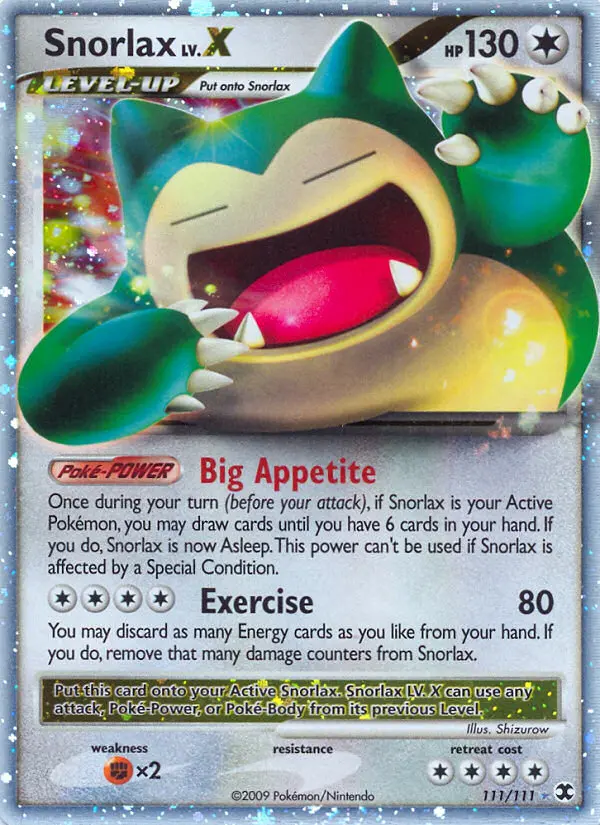 Snorlax LV.XRising Rivals · #111/111 Snorlax LV.XRising Rivals · #111/111 | $430–$560 | 3% | $25 | +$2932 | grade it |
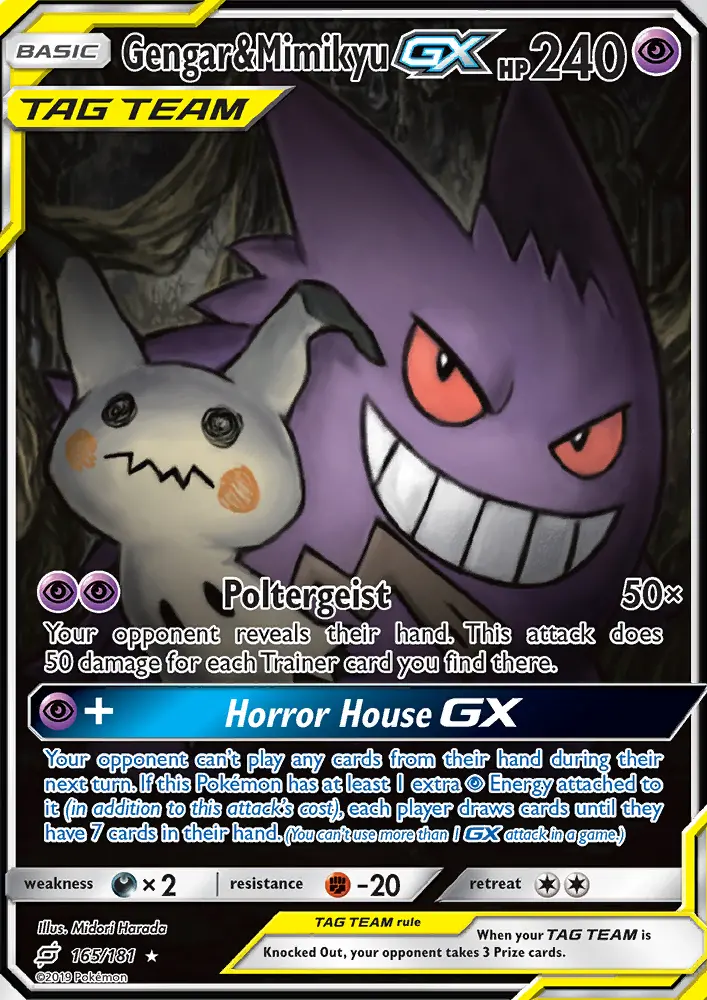 Gengar & Mimikyu GXTeam Up · #165/181 Gengar & Mimikyu GXTeam Up · #165/181 | $1,575–$2,025 | 46% | $25 | +$2902 | grade itⓘ |
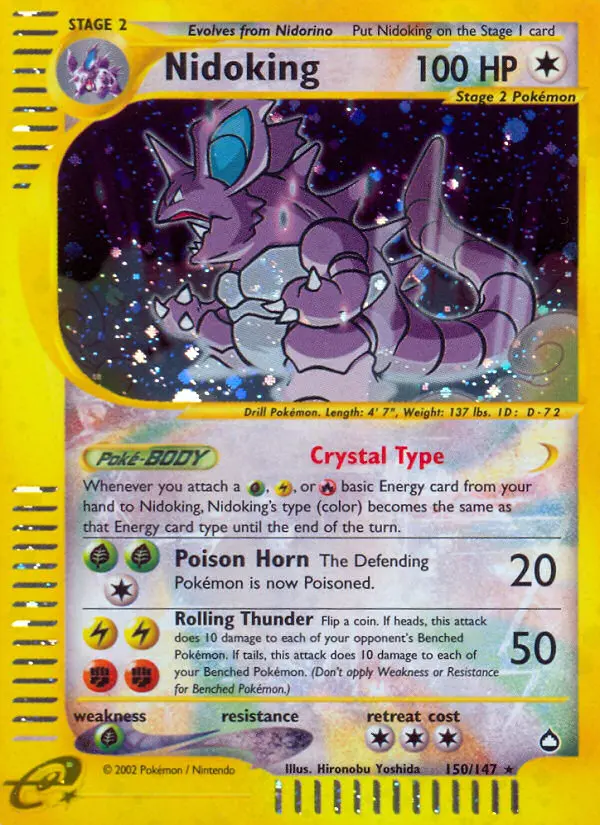 NidokingAquapolis · #150/147 NidokingAquapolis · #150/147 | $440–$560 | 5% | $25 | +$2859 | grade it |
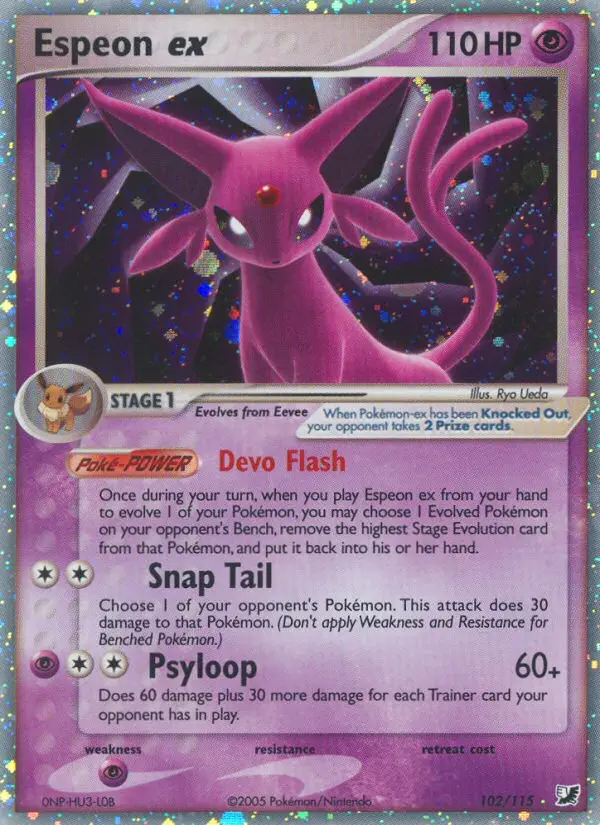 Espeon exUnseen Forces · #102/115 Espeon exUnseen Forces · #102/115 | $290–$380 | 3% | $25 | +$2770 | grade it |
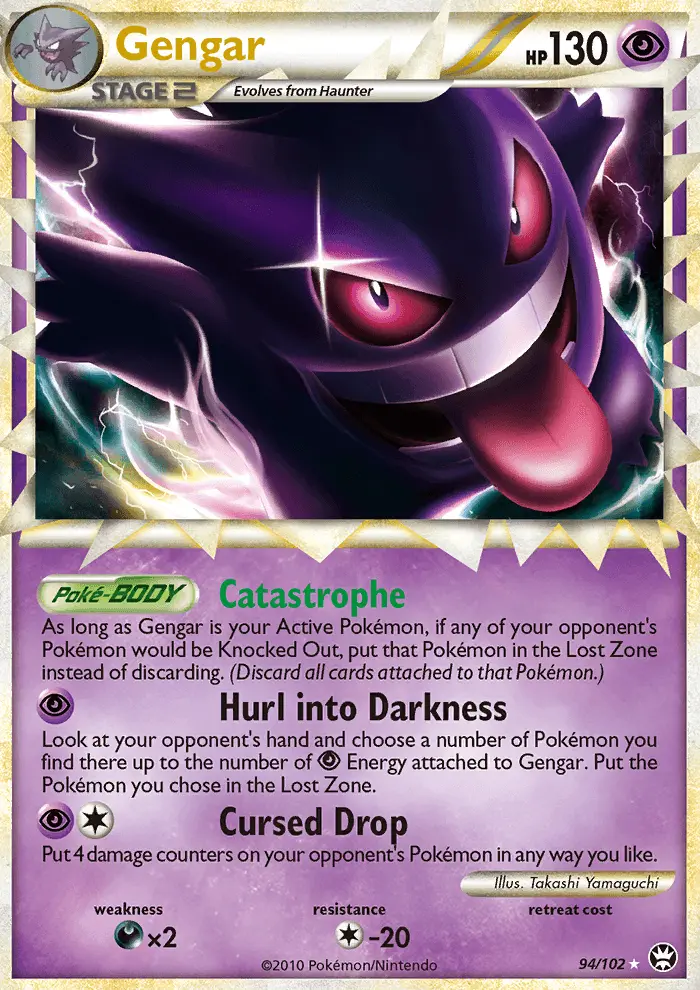 GengarTriumphant · #94/102 GengarTriumphant · #94/102 | $500–$640 | 5% | $25 | +$2698 | grade itⓘ |
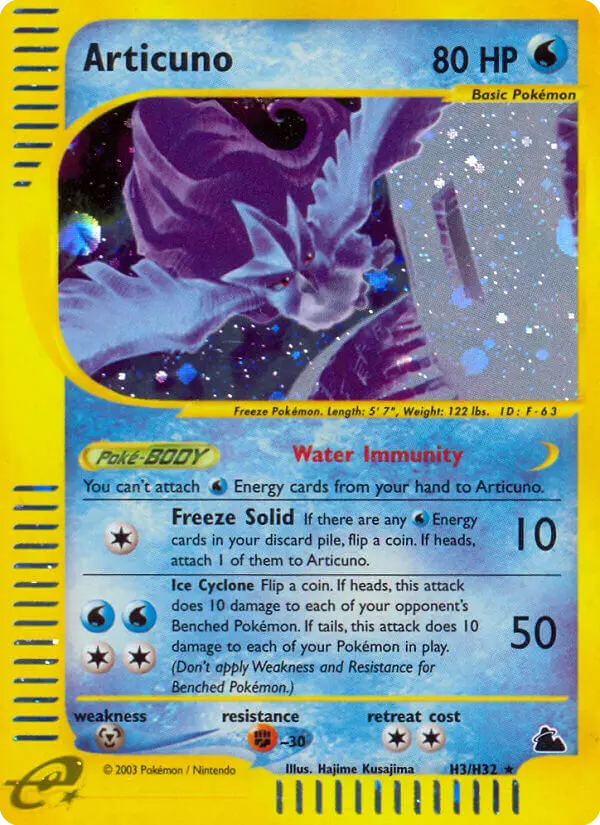 ArticunoSkyridge · #H03/144 ArticunoSkyridge · #H03/144 | $250–$330 | 16% | $25 | +$2612 | grade it |
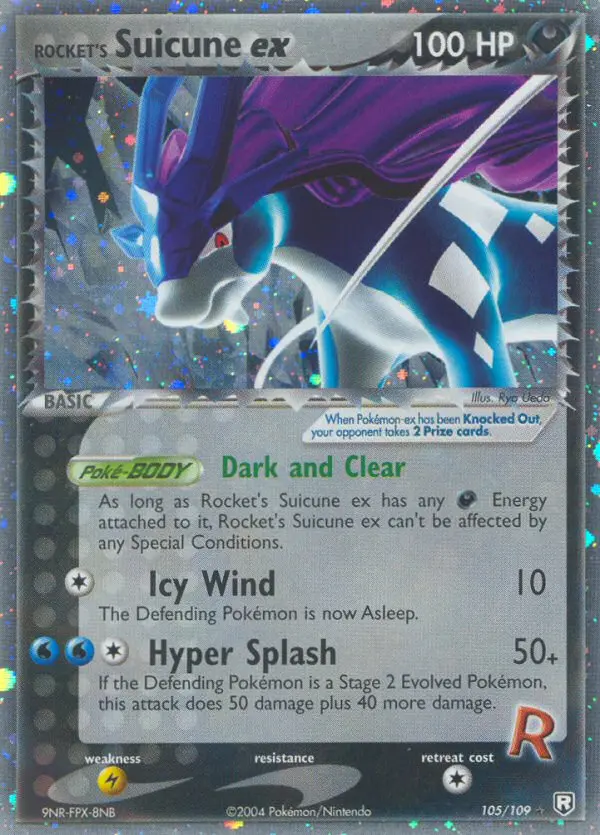 Rocket's Suicune exTeam Rocket Returns · #105/109 Rocket's Suicune exTeam Rocket Returns · #105/109 | $260–$340 | 7% | $25 | +$2510 | grade it |
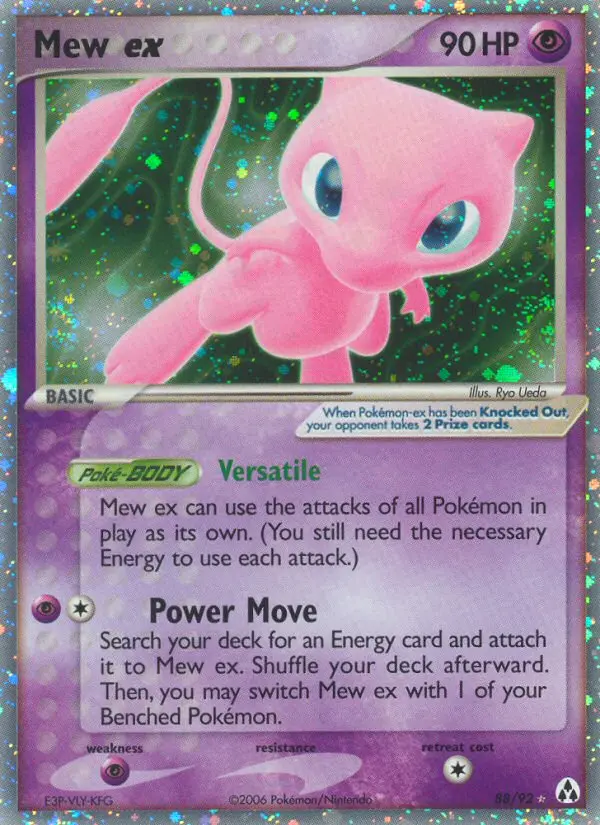 Mew exLegend Maker · #88/92 Mew exLegend Maker · #88/92 | $1–$2 | 6% | $25 | +$2456 | grade it |
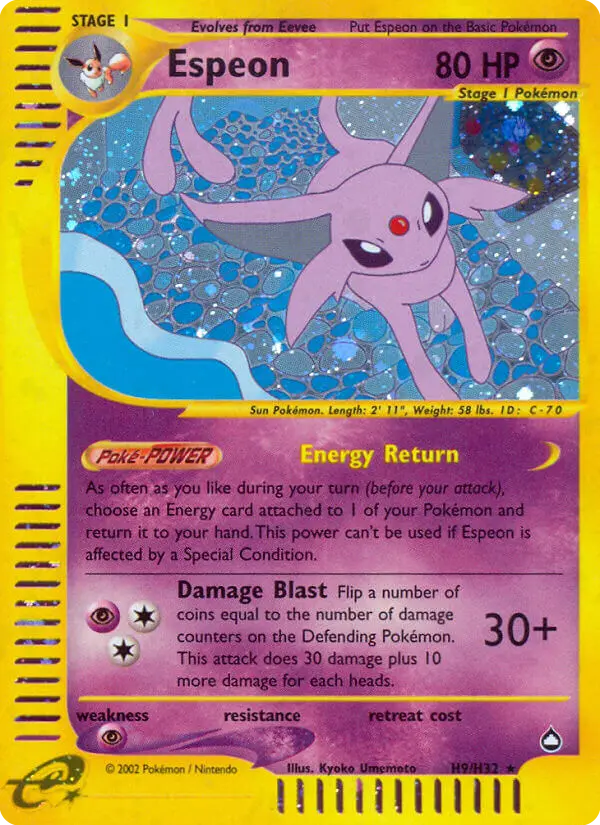 EspeonAquapolis · #H09/147 EspeonAquapolis · #H09/147 | $250–$330 | 8% | $25 | +$2377 | grade it |
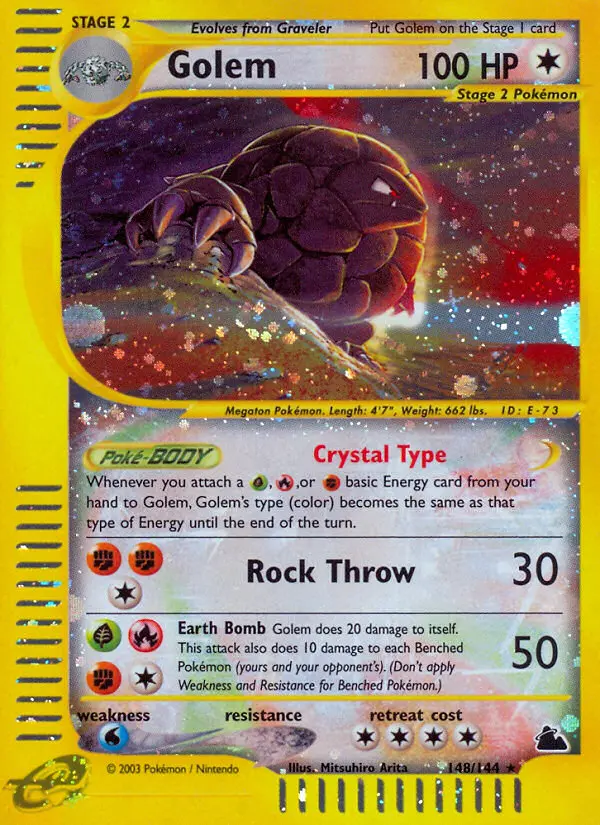 GolemSkyridge · #148/144 GolemSkyridge · #148/144 | $520–$680 | 19% | $25 | +$2313 | grade itⓘ |
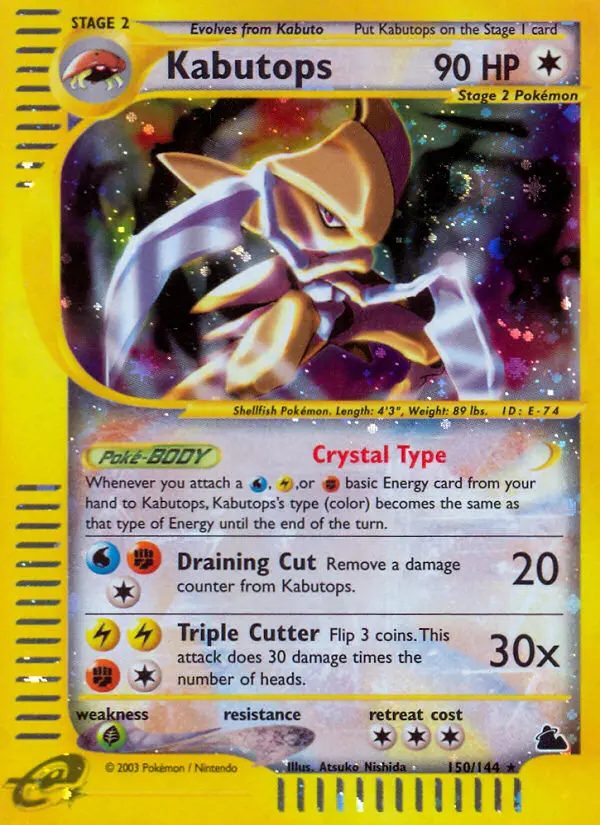 KabutopsSkyridge · #150/144 KabutopsSkyridge · #150/144 | $510–$670 | 16% | $25 | +$2297 | grade itⓘ |
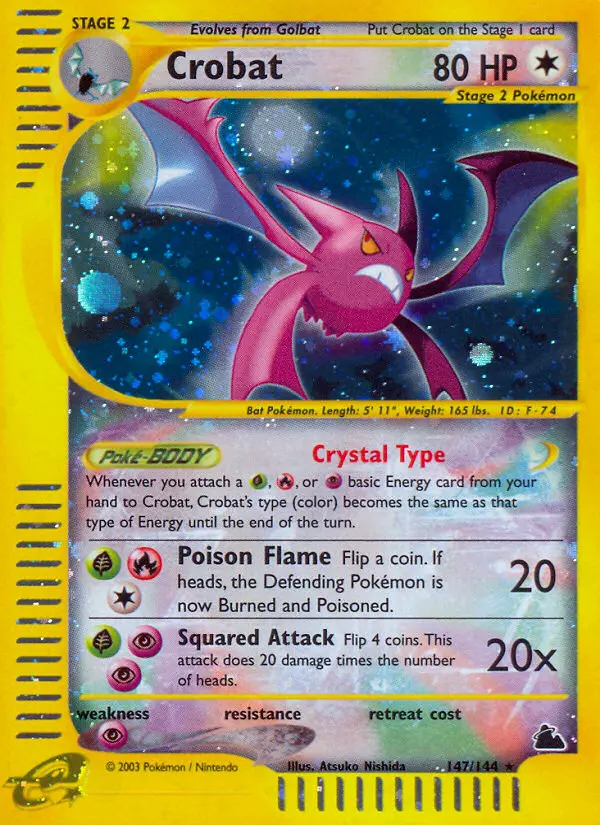 CrobatSkyridge · #147/144 CrobatSkyridge · #147/144 | $390–$510 | 10% | $25 | +$2295 | grade it |
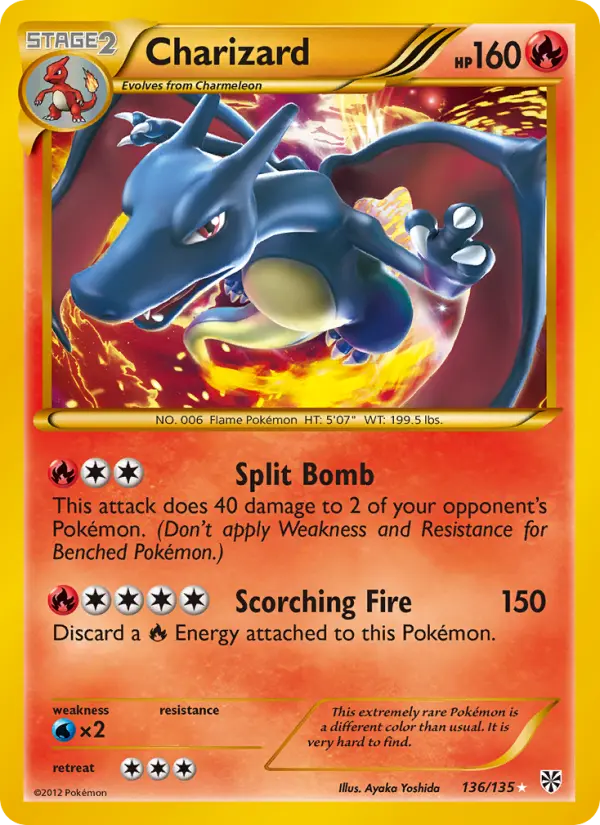 CharizardPlasma Storm · #136/135 CharizardPlasma Storm · #136/135 | $1,000–$1,300 | 3% | $25 | +$2270 | grade itⓘ |
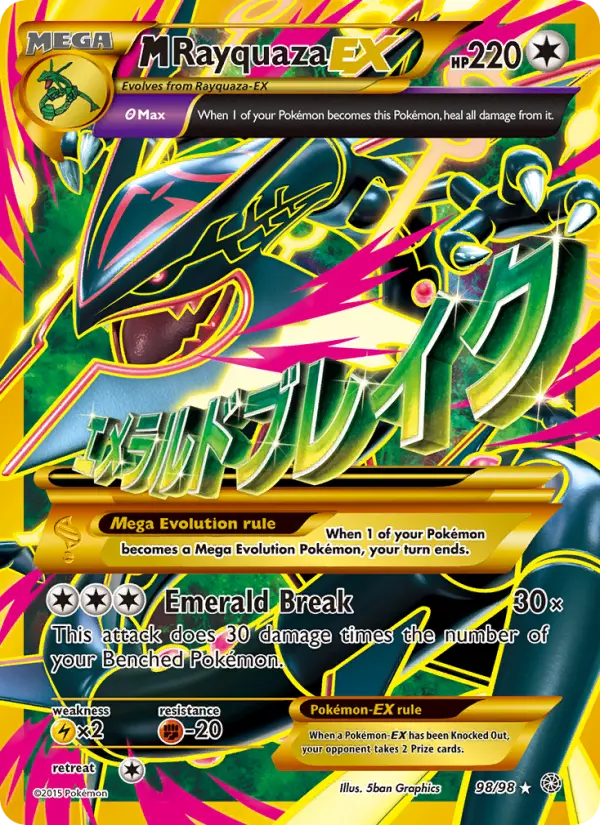 M Rayquaza EXAncient Origins · #98/98 M Rayquaza EXAncient Origins · #98/98 | $940–$1,200 | 15% | $25 | +$2228 | grade itⓘ |
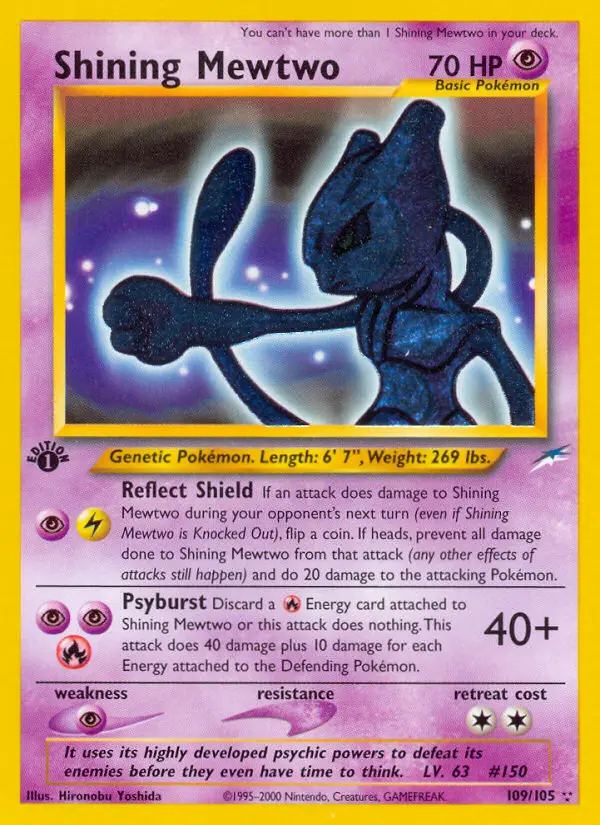 Shining MewtwoNeo Destiny · #109/105 Shining MewtwoNeo Destiny · #109/105 | $820–$1,075 | 6% | $25 | +$2227 | grade itⓘ |
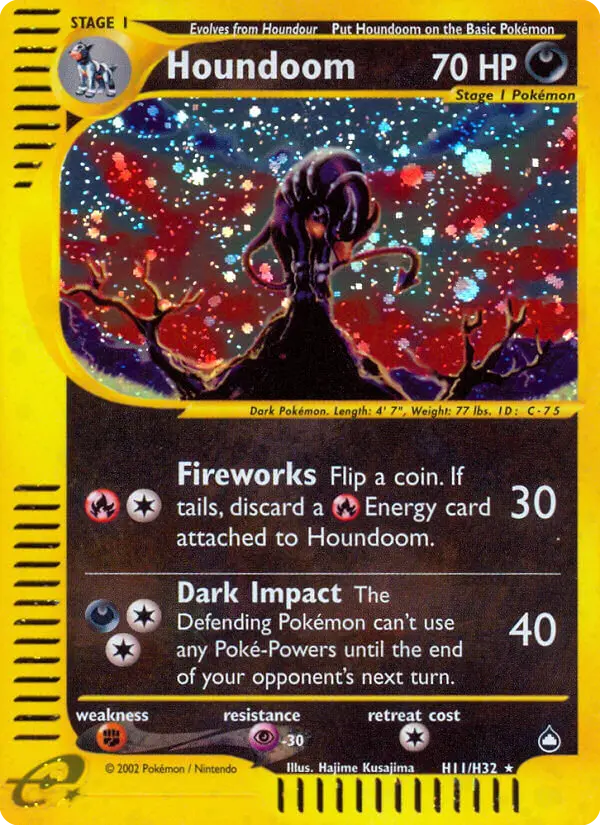 HoundoomAquapolis · #H11/147 HoundoomAquapolis · #H11/147 | $350–$450 | 5% | $25 | +$2208 | grade it |
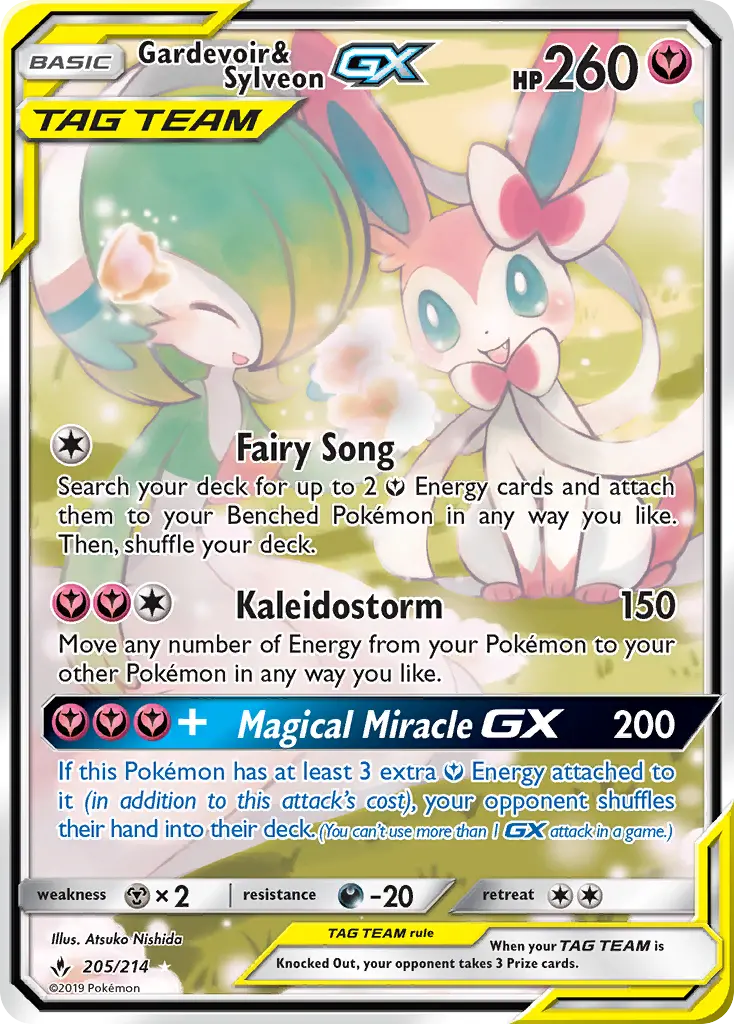 Gardevoir & Sylveon GXUnbroken Bonds · #205/214 Gardevoir & Sylveon GXUnbroken Bonds · #205/214 | $560–$720 | 45% | $25 | +$2169 | grade itⓘ |
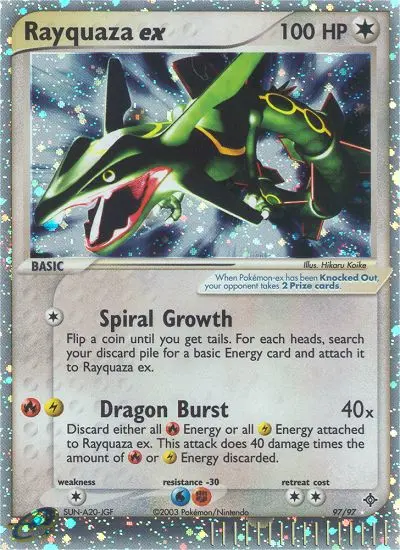 Rayquaza exDragon · #97/97 Rayquaza exDragon · #97/97 | $400–$520 | 4% | $25 | +$2113 | grade it |
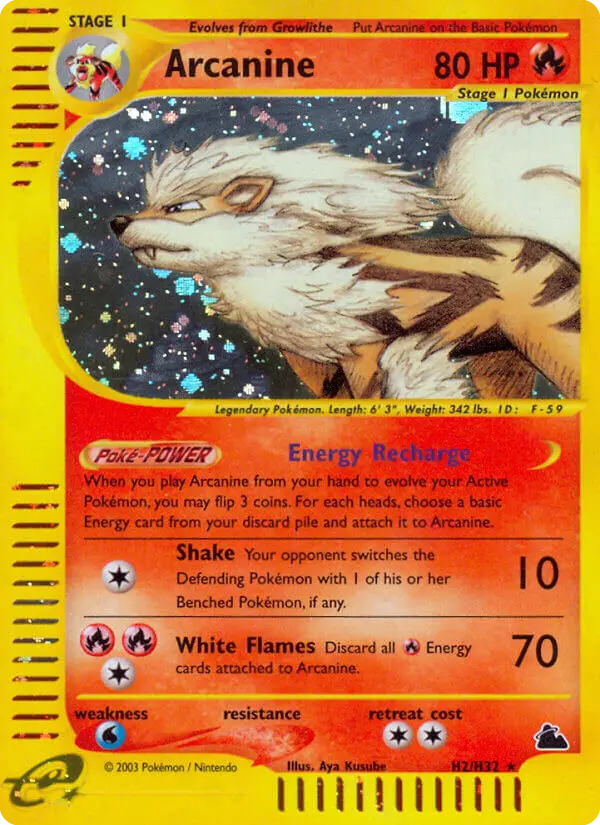 ArcanineSkyridge · #H02/144 ArcanineSkyridge · #H02/144 | $140–$180 | 16% | $25 | +$1846 | grade it |
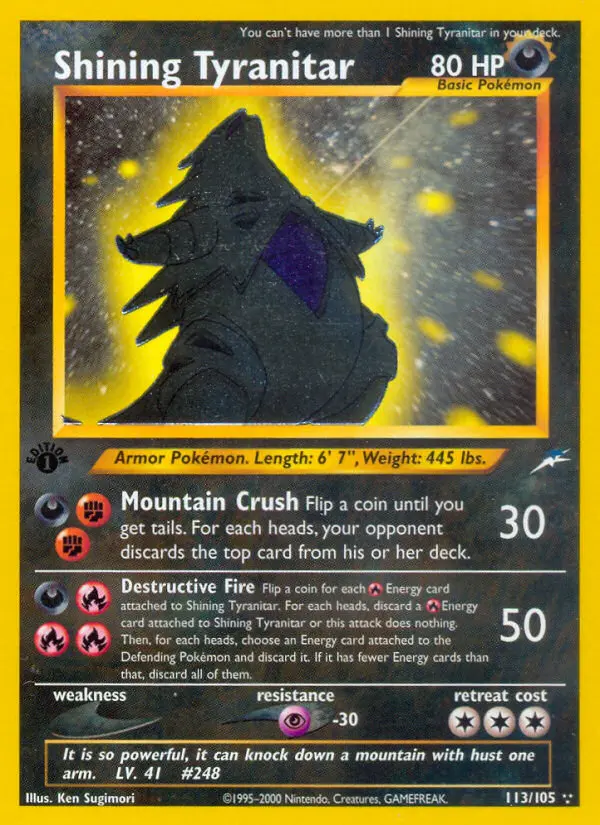 Shining TyranitarNeo Destiny · #113/105 Shining TyranitarNeo Destiny · #113/105 | $440–$570 | 6% | $25 | +$1811 | grade itⓘ |
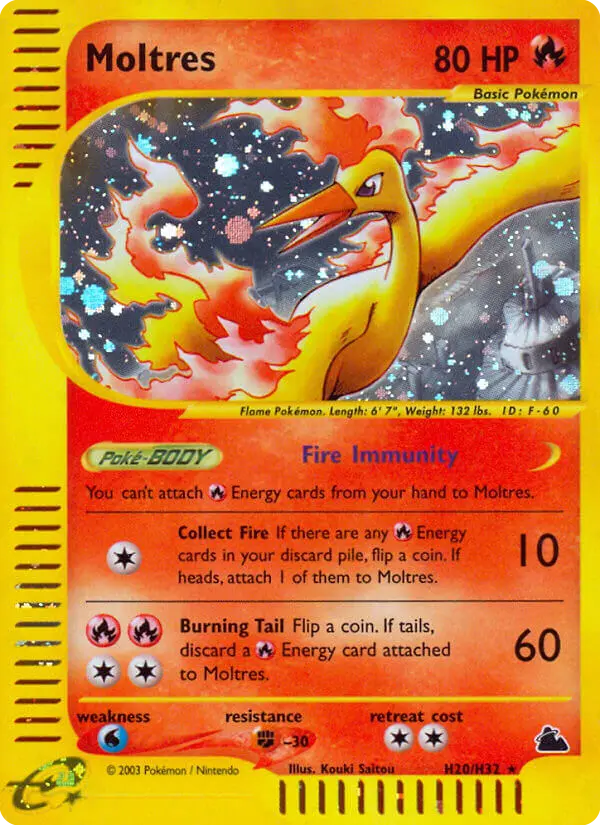 MoltresSkyridge · #H20/144 MoltresSkyridge · #H20/144 | $290–$380 | 13% | $25 | +$1810 | grade it |
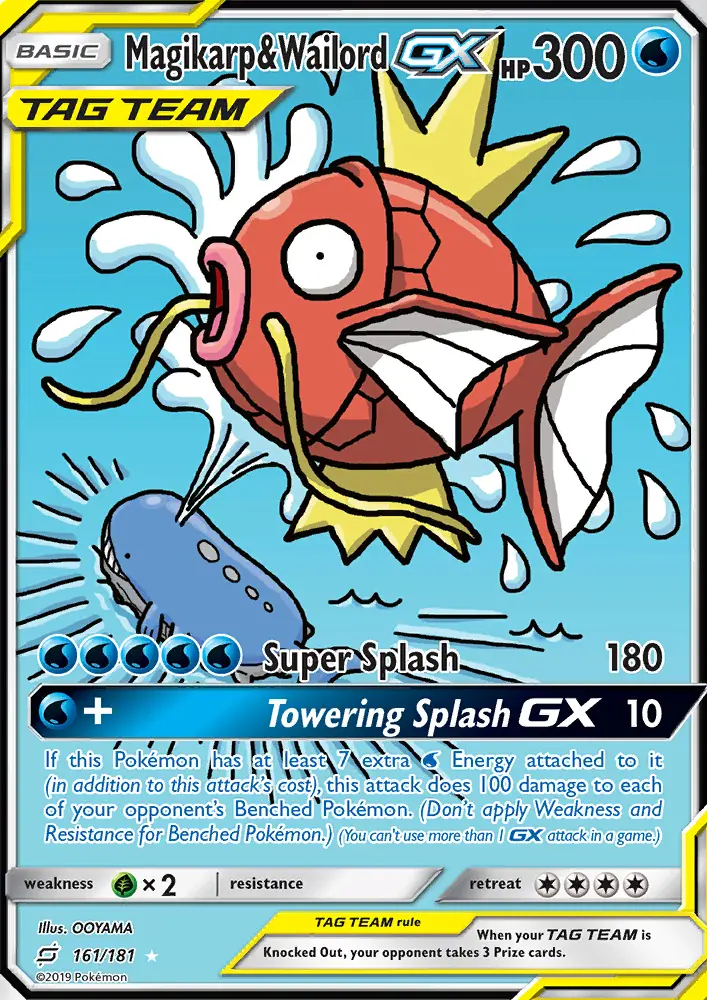 Magikarp & Wailord GXTeam Up · #161/181 Magikarp & Wailord GXTeam Up · #161/181 | $740–$950 | 52% | $25 | +$1806 | grade itⓘ |
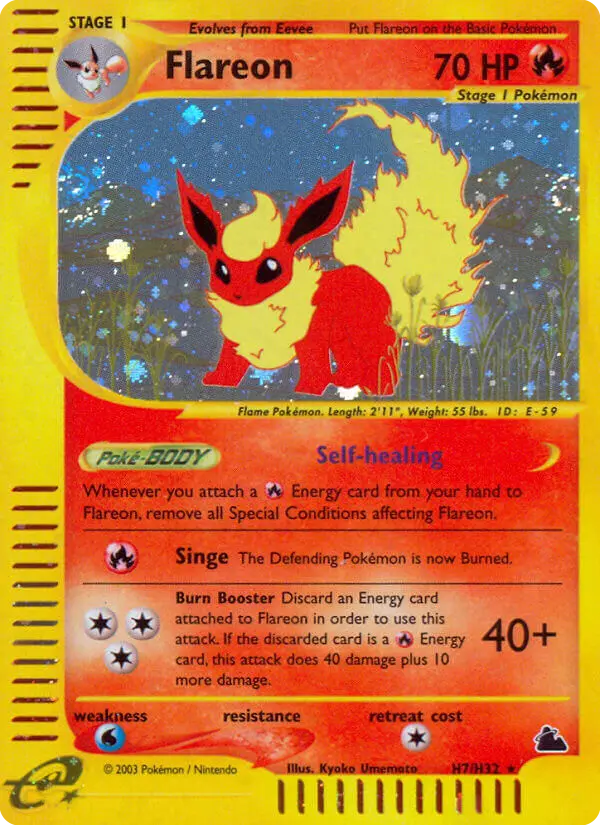 FlareonSkyridge · #H07/144 FlareonSkyridge · #H07/144 | $510–$670 | 10% | $25 | +$1792 | grade itⓘ |
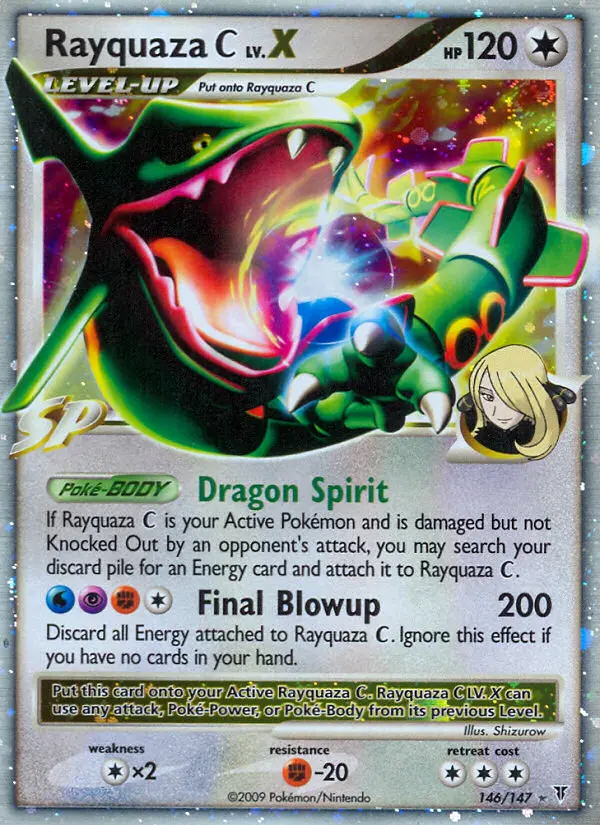 Rayquaza C LV.XSupreme Victors · #146/147 Rayquaza C LV.XSupreme Victors · #146/147 | $220–$290 | 3% | $25 | +$1763 | grade it |
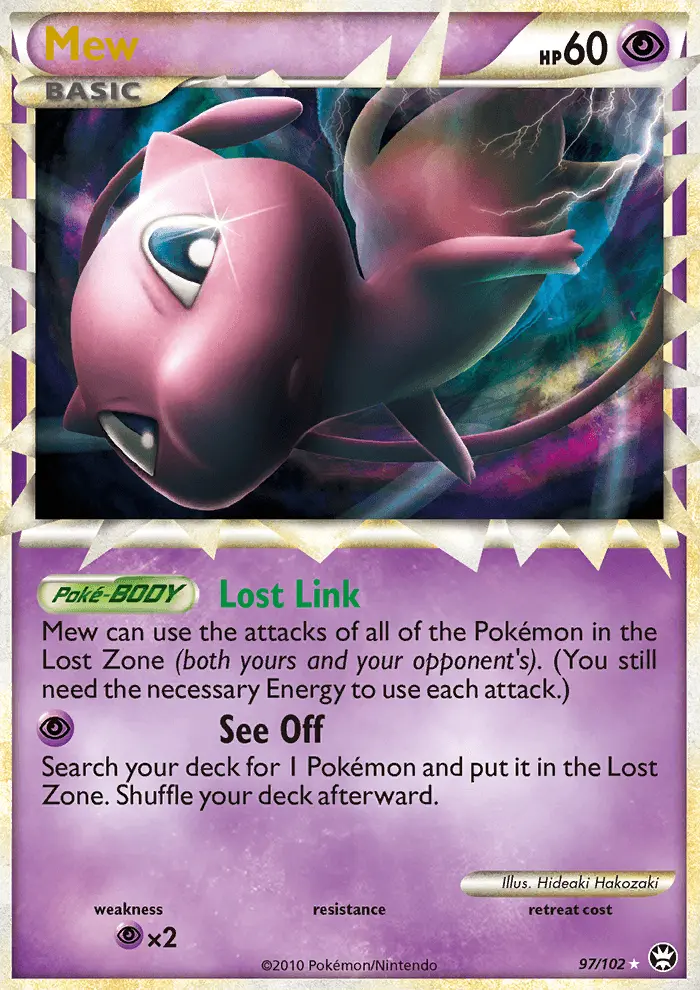 MewTriumphant · #97/102 MewTriumphant · #97/102 | $320–$420 | 6% | $25 | +$1721 | grade it |
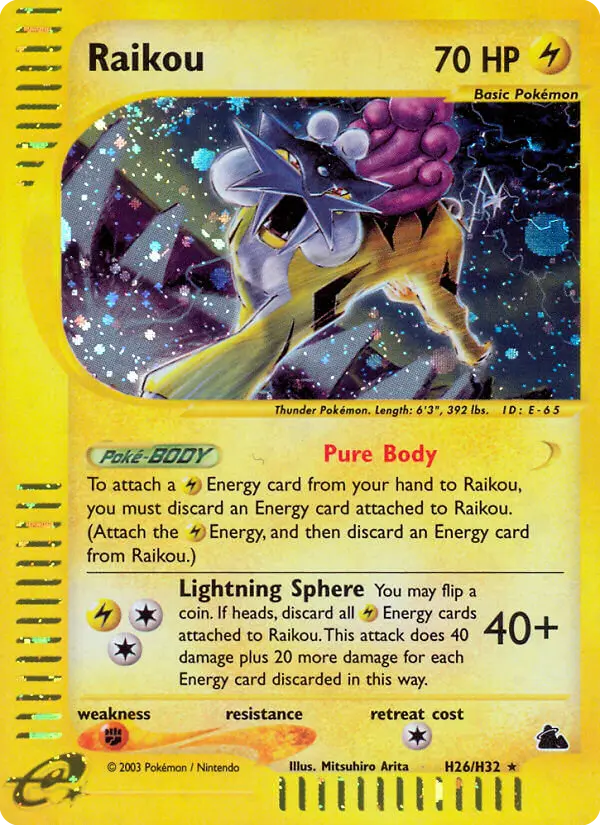 RaikouSkyridge · #H26/144 RaikouSkyridge · #H26/144 | $330–$430 | 18% | $25 | +$1668 | grade it |
 Mewtwo GXShining Legends · #78/73 Mewtwo GXShining Legends · #78/73 | $710–$910 | 17% | $25 | +$1665 | grade itⓘ |
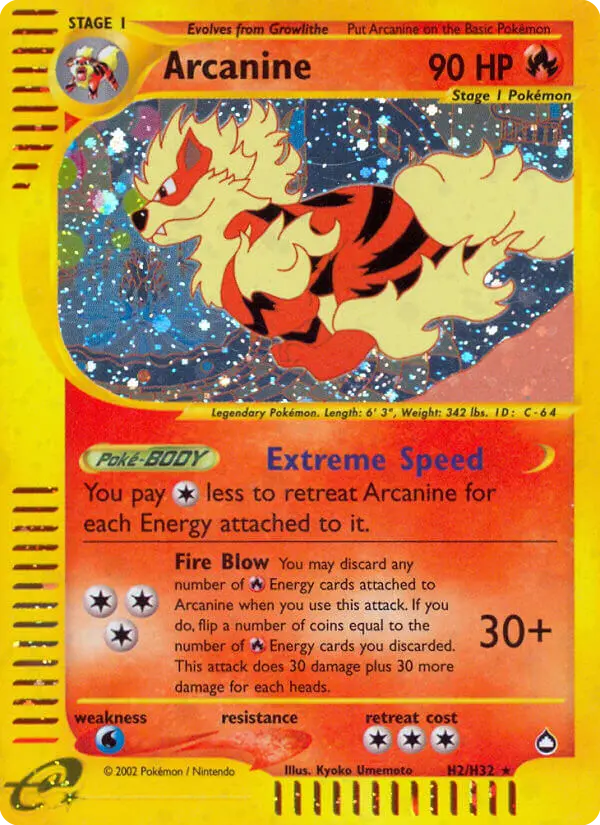 ArcanineAquapolis · #H02/147 ArcanineAquapolis · #H02/147 | $410–$540 | 7% | $25 | +$1601 | grade it |
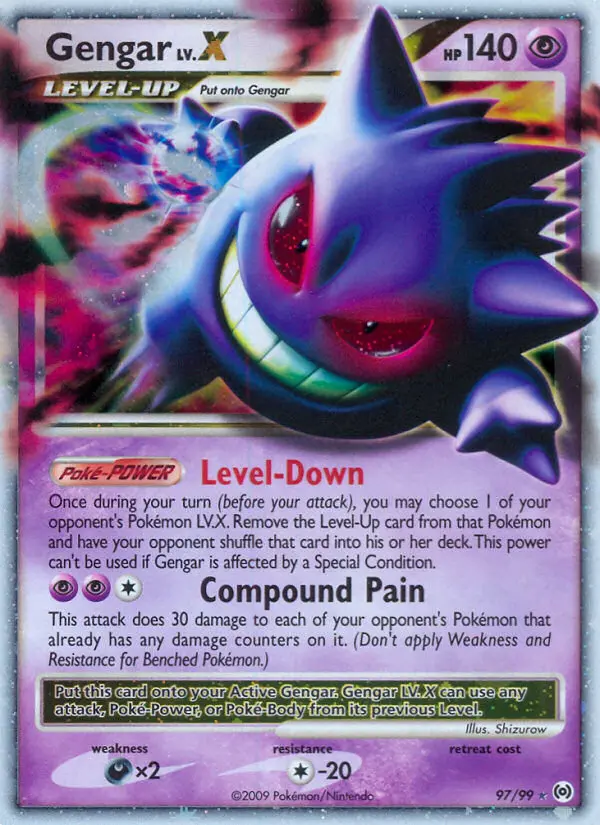 Gengar LV.XArceus · #97/99 Gengar LV.XArceus · #97/99 | $390–$510 | 2% | $25 | +$1578 | grade it |
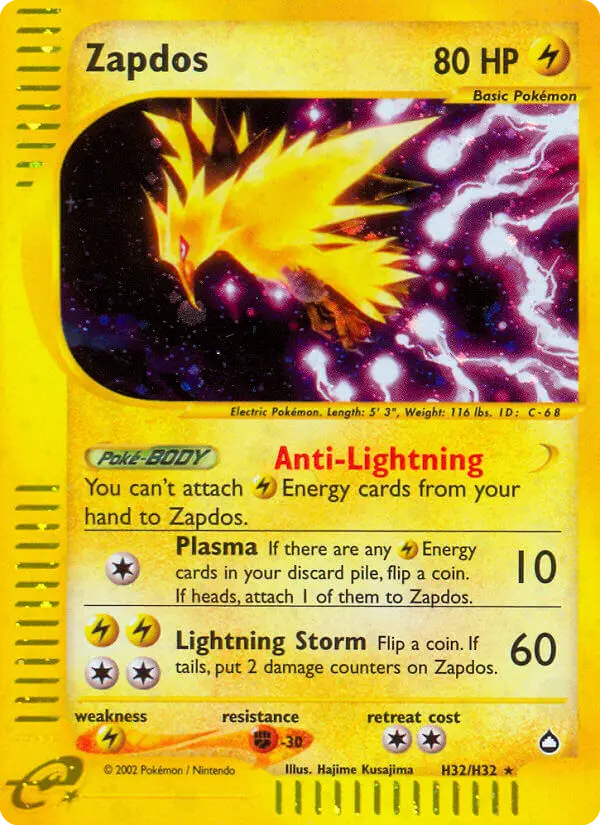 ZapdosAquapolis · #H32/147 ZapdosAquapolis · #H32/147 | $250–$330 | 12% | $25 | +$1543 | grade it |
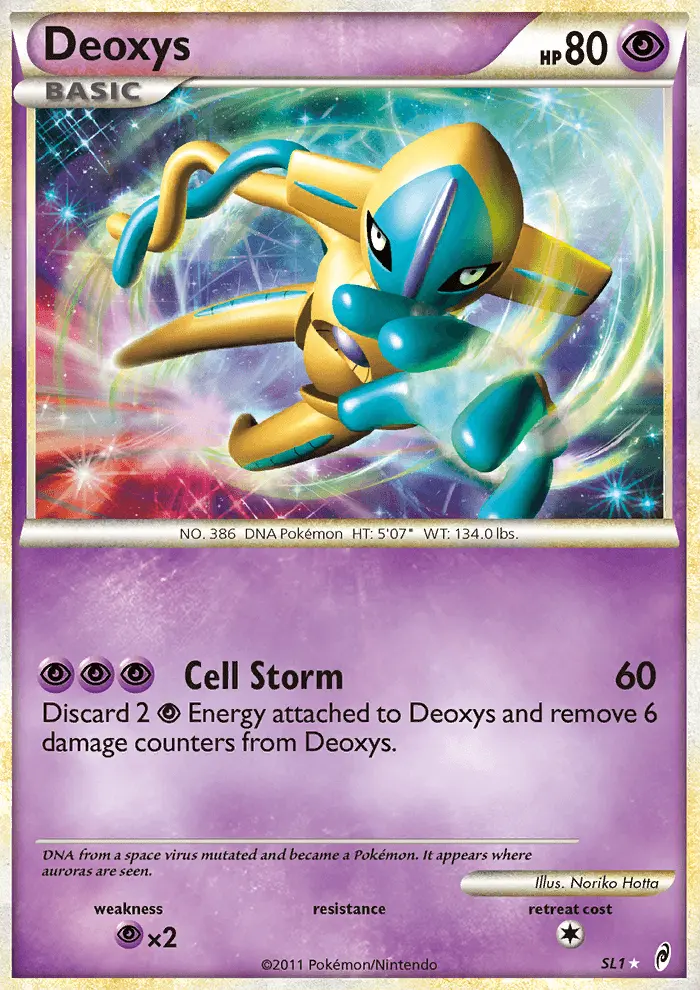 DeoxysCall of Legends · #SL1/95 DeoxysCall of Legends · #SL1/95 | $440–$560 | 3% | $25 | +$1530 | grade it |
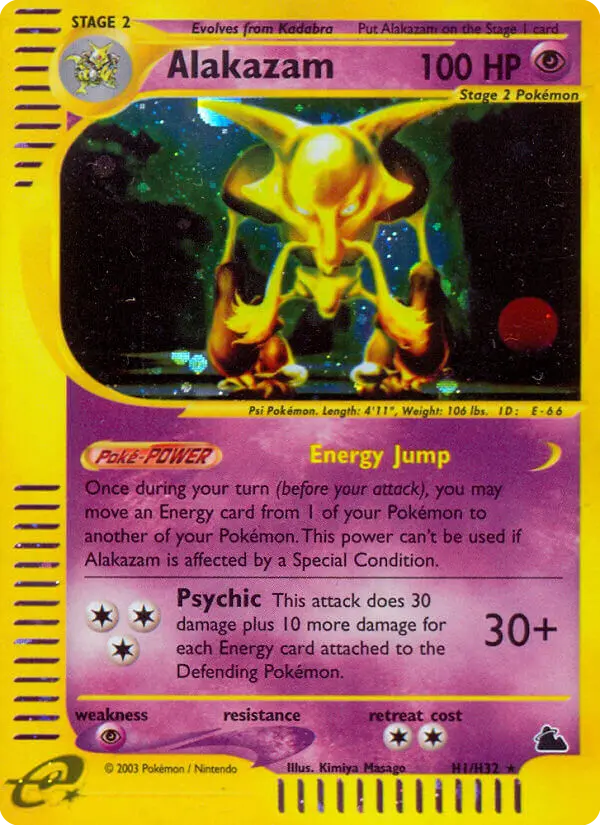 AlakazamSkyridge · #H01/144 AlakazamSkyridge · #H01/144 | $1,050–$1,350 | 16% | $25 | +$1520 | grade itⓘ |
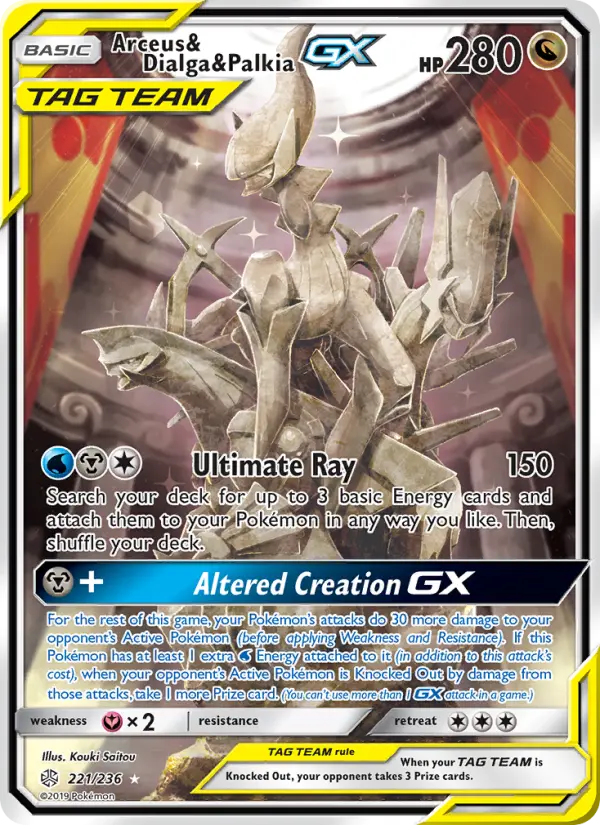 Arceus & Dialga & Palkia GXCosmic Eclipse · #221/236 Arceus & Dialga & Palkia GXCosmic Eclipse · #221/236 | $490–$640 | 36% | $25 | +$1479 | grade itⓘ |
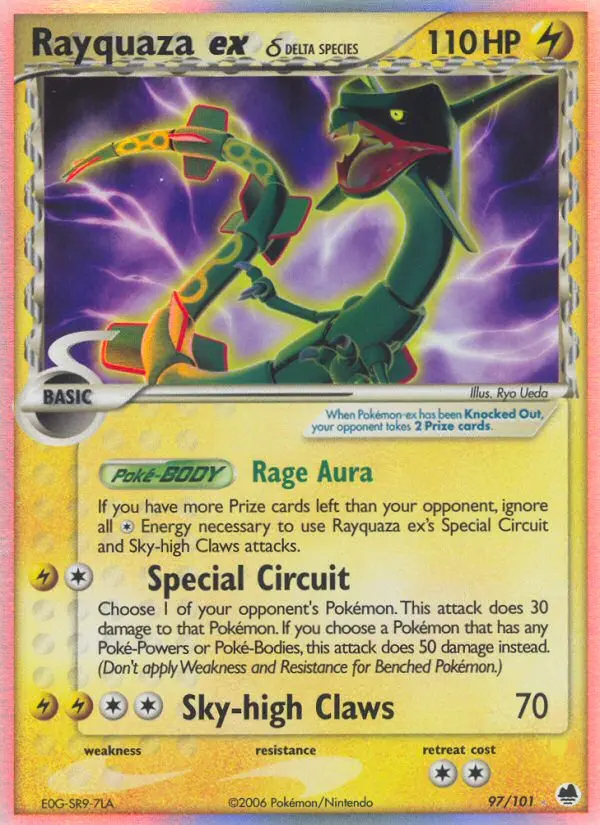 Rayquaza ex δDragon Frontiers · #97/101 Rayquaza ex δDragon Frontiers · #97/101 | $165–$220 | 5% | $25 | +$1473 | grade it |
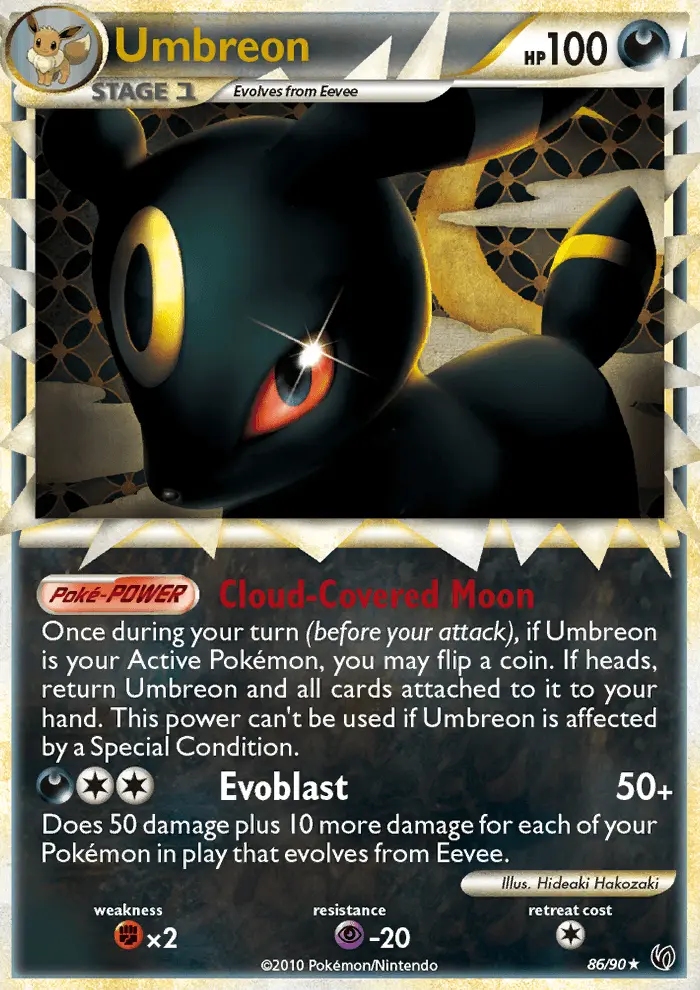 UmbreonUndaunted · #86/90 UmbreonUndaunted · #86/90 | $500–$650 | 2% | $25 | +$1465 | grade itⓘ |
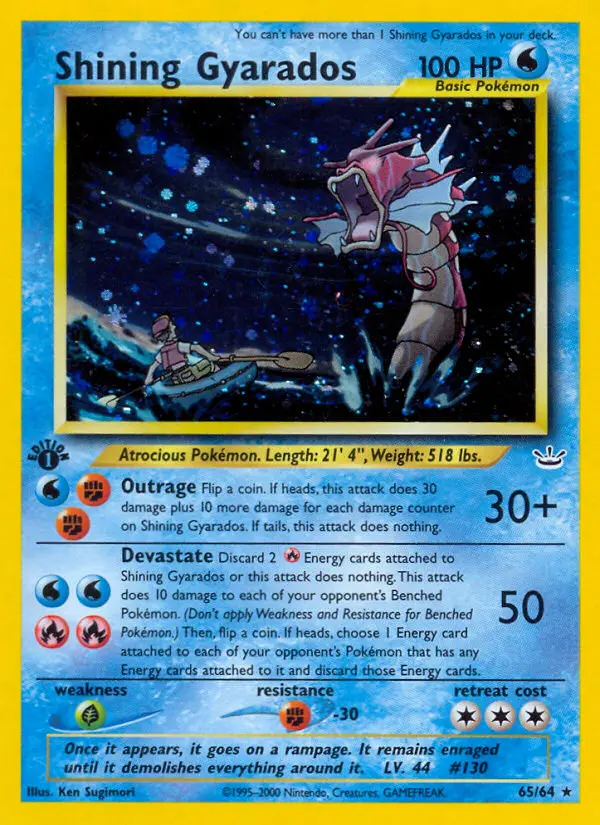 Shining GyaradosNeo Revelation · #65/64 Shining GyaradosNeo Revelation · #65/64 | $630–$810 | 1% | $25 | +$1441 | grade itⓘ |
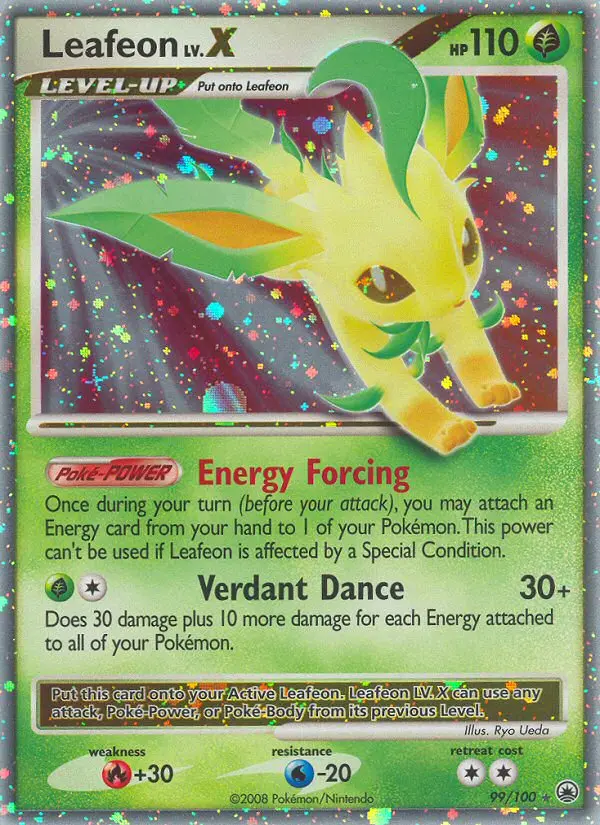 LeafeonMajestic Dawn · #99/100 LeafeonMajestic Dawn · #99/100 | $175–$230 | 1% | $25 | +$1430 | grade it |
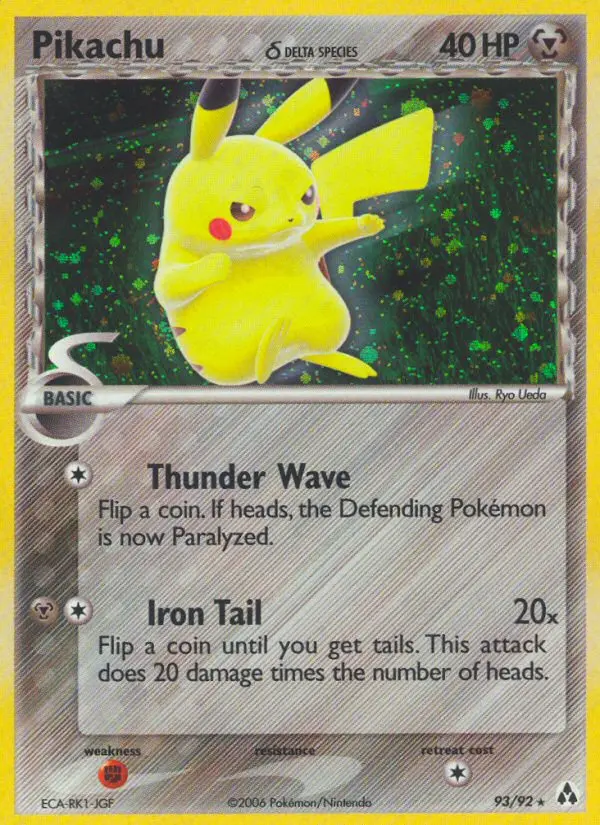 Pikachu δLegend Maker · #93/92 Pikachu δLegend Maker · #93/92 | $145–$190 | 7% | $25 | +$1425 | grade it |
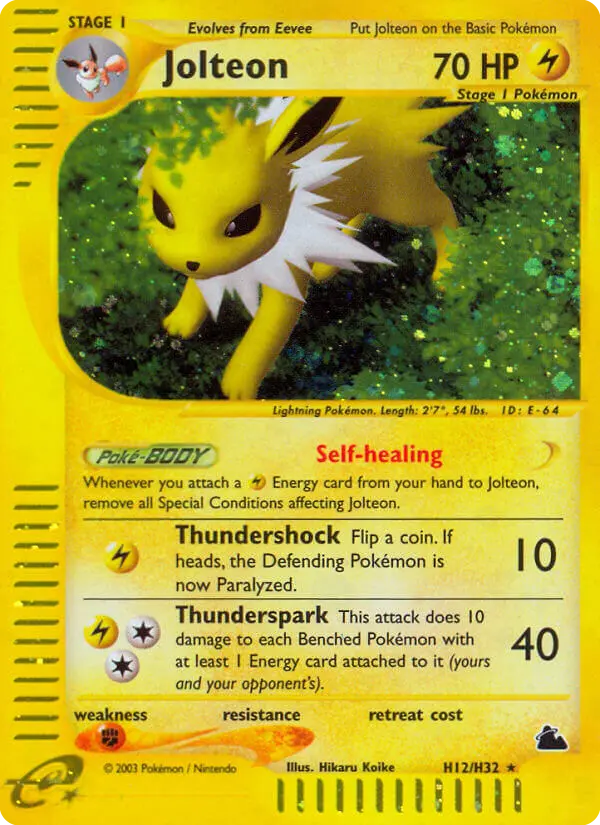 JolteonSkyridge · #H12/144 JolteonSkyridge · #H12/144 | $180–$230 | 21% | $25 | +$1417 | grade it |
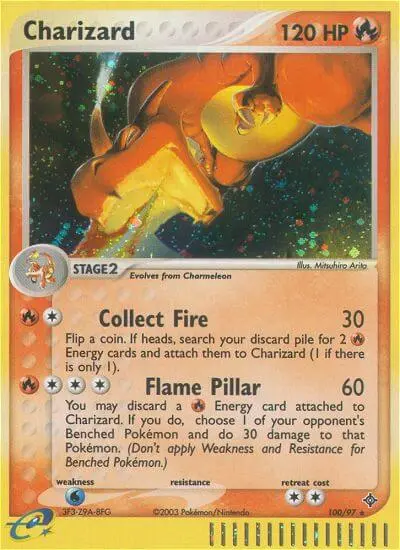 CharizardDragon · #100/97 CharizardDragon · #100/97 | $650–$830 | 5% | $25 | +$1416 | grade itⓘ |
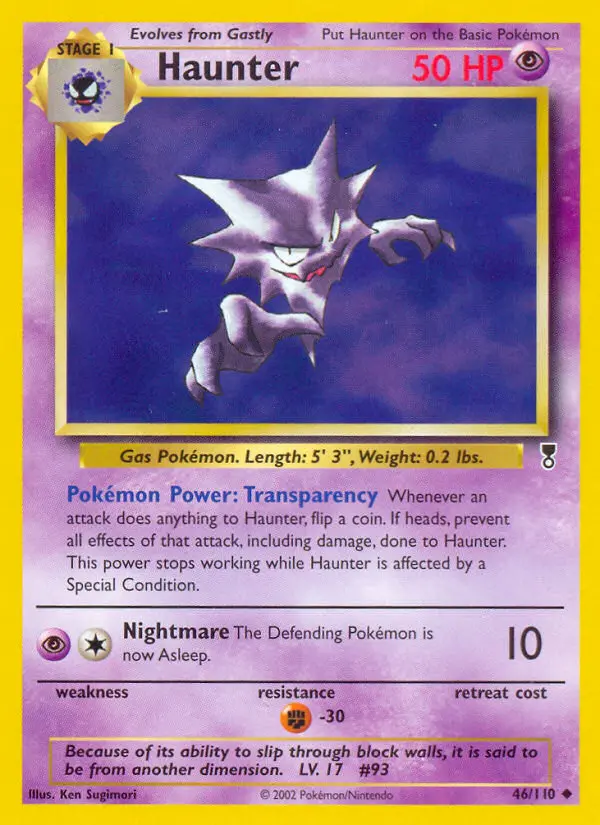 HaunterLegendary Collection · #46/110 HaunterLegendary Collection · #46/110 | $4–$5 | 36% | $25 | +$1347 | grade it |
Each edge weighs the card’s own PSA grade mix (10 / 9 / below, with grades under 8 valued at the PSA 8 price) against current graded prices, minus a ~$25/card bulk-rate fee (standard service costs more), vs selling raw. ⓘ Ceiling: pop rates reflect copies collectors chose to submit; a random raw copy of an expensive card usually grades worse, so those edges are upper bounds. Verdicts assume a near-mint copy and ignore centering risk, turnaround time, and shipping. Grade mix comes from the PSA census Riffle captures monthly; the exact PSA 8/9/10 prices are part of Riffle premium. Estimates, not financial advice.
FAQ
How do I know if a Pokémon card is worth grading?
Compare what the card is expected to be worth graded against what it sells for raw.
Riffle estimates the graded outcome from each card's own PSA population: the share of submitted copies that graded 10, 9, and below, each valued at current graded market prices (grades under 8 use the PSA 8 price), then subtracts a ~$25/card bulk-rate grading fee.
A positive edge means grading is estimated to net more than selling raw; within about $10 either way is a wash.
Why isn't the exact PSA 9 or PSA 10 price shown?
The ranking and per-card verdicts are Riffle's derived figures and are free to cite. The underlying PSA 8/9/10 market prices, full graded history, and comps are part of Riffle premium.
Does a positive grading edge guarantee a profit?
No. PSA population rates describe copies collectors chose to submit — a random raw copy, especially of an expensive or older card, usually grades worse, so large edges on high-value cards read as a ceiling (marked † in the table). The estimate also assumes a near-mint copy at bulk-rate grading; centering risk, turnaround time, and shipping aren't included. It's a screen for which cards deserve a closer look, not financial advice.